
Archival research
Finding the entry: the birth, marriage or death of your ancestor, in the register where it was written.
How the search works


From the archive to your file.
Birth, marriage and death records, and the papers that go with them, from the archives and registry offices of Hungary and of the lands that were part of Hungary before 1920.
Gergely Neumann
Document and archival research in Hungary
Every search ends with a written report.
Two jobs, usually one after the other: first find the entry, then get the paper.
Finding the entry: the birth, marriage or death of your ancestor, in the register where it was written.
How the search works
Getting the paper: an official copy you can file, from the registry office or archive that holds the record.
How copies are obtained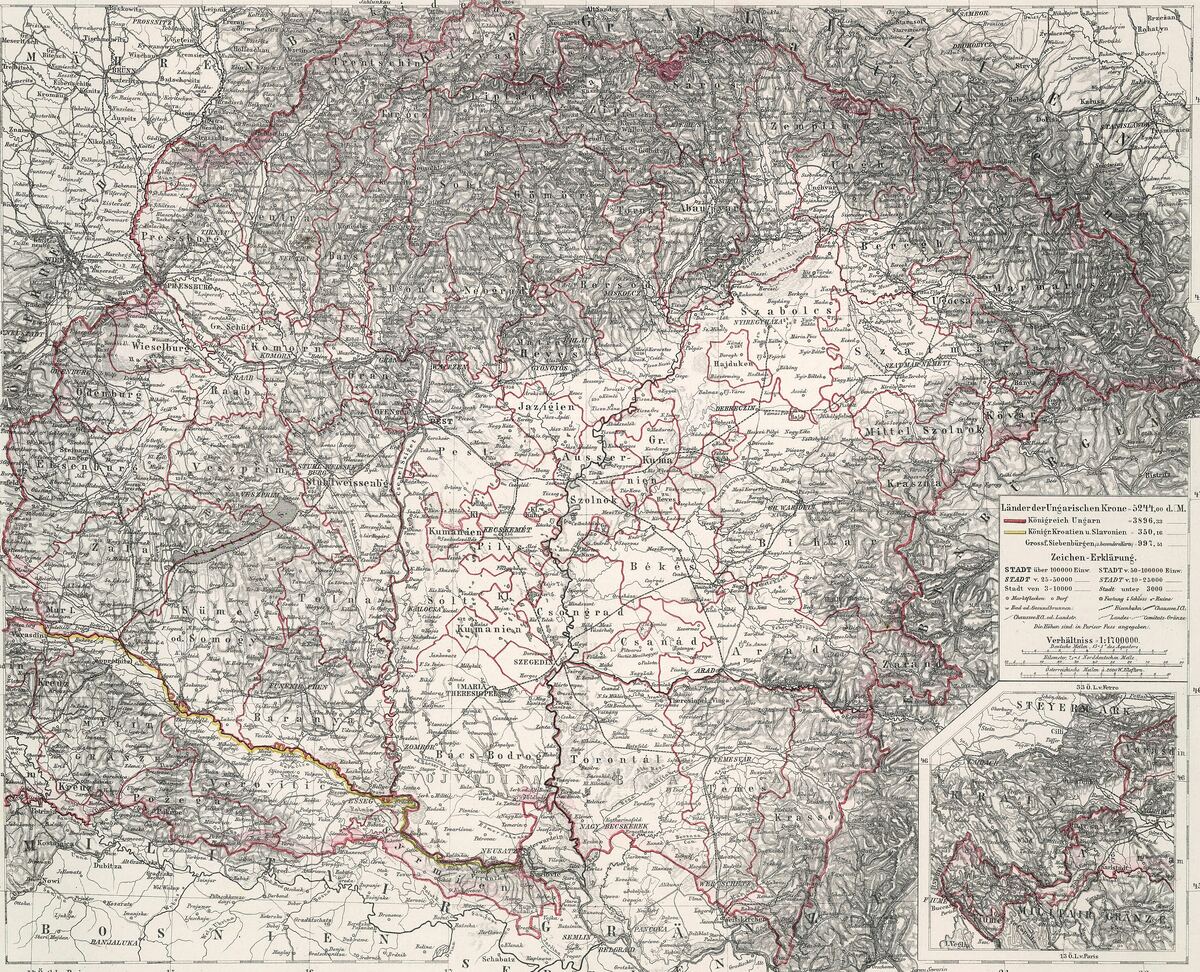
Until 1895 there was no state register in Hungary. Each religion kept its own books of births, marriages and deaths. Then the borders moved: after the First World War most of historic Hungary became part of other countries, and the registers stayed where they had been written.
So the birth of a great-grandfather may be in a county archive in Hungary, a state archive in Slovakia, a town hall in Romania or an archive in Ukraine. The National Archives of Hungary says plainly that its staff do not carry out family research for the public: the search has to be done by you or by someone you appoint.
That search is what I do.
Kassa, Munkács, Szatmár, Nagyvárad, Pozsony. Born in Hungary, registered in a book that is now abroad. I find which archive has it today.
Jewish registers start late, and many were lost in the war. Censuses of Jews, district registers and state registers fill the gaps.
Each generation shown by a document, not by a guess. For your family, for a court, or for an inheritance.
That is how the Hungarian consulate in New York puts it: the certificate proves the birth, not the citizenship. A case needs a chain of records from the ancestor down to you, and often older papers as well: a certificate of domicile, an old passport, a military booklet, a school record.
I find and obtain those papers. I am not a lawyer, and the decision belongs to the Hungarian authorities.
Names, a town, rough years, and what papers the family still has.
What can be searched, where it is kept, and a quote before any work starts.
In the registers and archives that hold the record, on site where that is the only way.
What was found, what was not, and the documents themselves.
Plain answers to the questions that come up in almost every Hungarian family search.
By year and by place: state registers, church and Jewish registers, and the countries that keep them now.
The words in the columns, surname-first names, married women’s names and changed surnames.
What happens when the register is gone, and which other documents can stand in for it.
What the consulate asks for on each of the two routes, in its own words.
From the archive to your file
A name, a town, a year. Even fragments are enough to begin. You get a written answer.